

Special attention was given to the EU priority habitat 9060, “Coniferous forests on glacial landforms (esker)”. During the event, participants discussed key ecological processes, influencing factors, and the challenges of habitat management, as well as the importance of public awareness and education.
The networking event brought together experts from the LIFE-IP LatViaNature project, representatives of the Latgale Regional Administration of the Nature Conservation Agency, and a delegation from the Lithuanian LIFE NATURALIT project, including representatives from Vytautas Magnus University, the Lithuanian Ministry of Environment, the State Service for Protected Areas, and the State Forest Enterprise.
The event strengthened cooperation among nature conservation specialists from the Baltic States, deepened knowledge on the management and restoration of habitat 9060, and promoted the exchange of experience and best practices for future conservation efforts. The visit began at the Nature Education Centre of Rāzna National Park, where senior nature education specialist Regīna Indriķe introduced colleagues to Latvia’s network of specially protected areas and the natural values of Rāzna National Park.
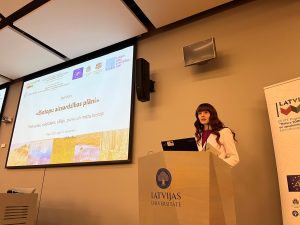
Sandra Ikauniece, a forest habitat expert from the LIFE-IP LatViaNature project, presented management activities carried out in esker forest habitats across several sites in Latgale — Rāzna National Park, Driksnas Sils Nature Park, and the nature reserves ”Grebļukalns”, ”Posolnīca”, and “Numernes valnis”.
Meanwhile, representatives of the Lithuanian LIFE NATURALIT project, Žydrūnas Preikša and Gediminas Brazaitis, shared their experience in forest habitat management in Lithuania, including the use of controlled burning in Dzūkija National Park and the restoration of the pasque flower (Pulsatilla patens) population.
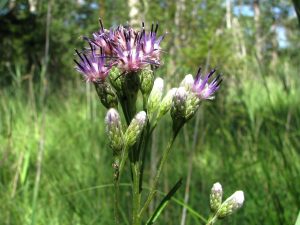
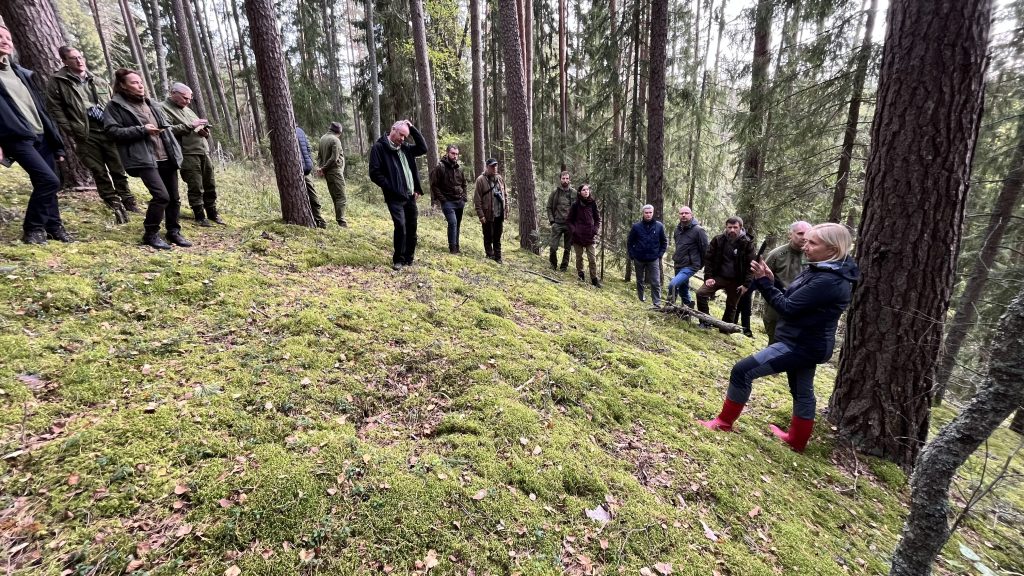
Following the presentations, participants took part in field visits to Rāzna National Park and “Numernes Valnis” Nature Park, where they observed habitat management results and discussed future tasks. Particular interest was shown in the protected plant species Ruysch’s dragonhead (Dracocephalum ruyschiana), which is very rare in Lithuania.